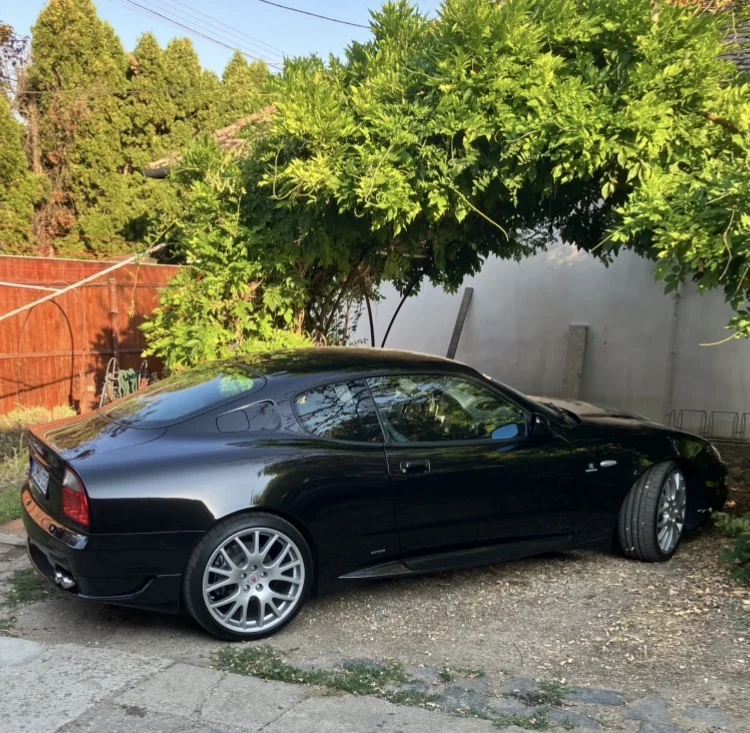
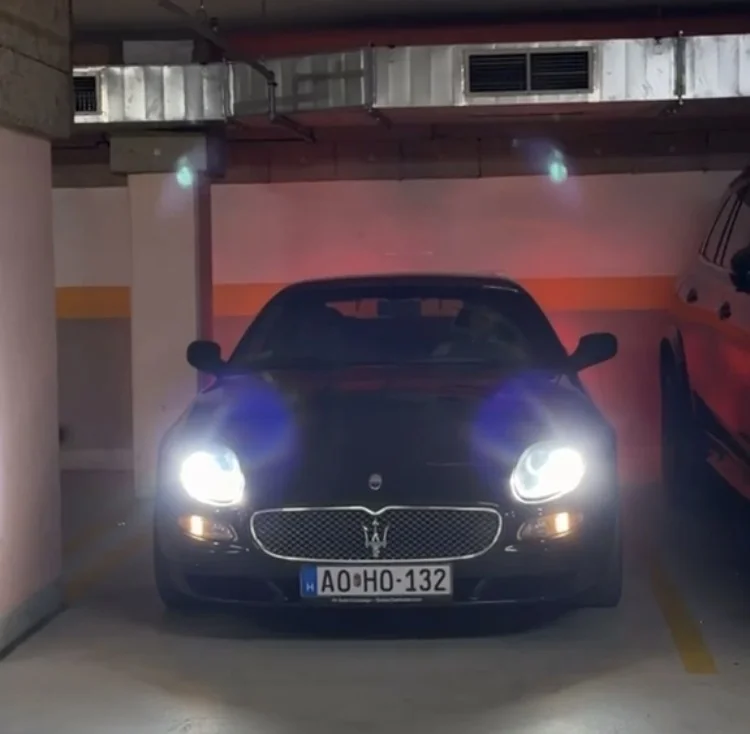
unit produced: 3113, 2,613 coupés incl. MC Victory + 472 Spyders ≈ 3,085
Factory trims and generations
generations: One GranSport iteration of M138 Coupé/Spyder family
trims: GranSport Coupé; GranSport Spyder; later MC Victory
exterior colors:
Giallo Granturismo, Rosso Mondiale, Nero Carbonio metallic, Blu Mediterraneo metallic, Grigio Alfieri metallic, Grigio Touring metallic, plus the special triple-layer Bianco Fuji
interior colors:
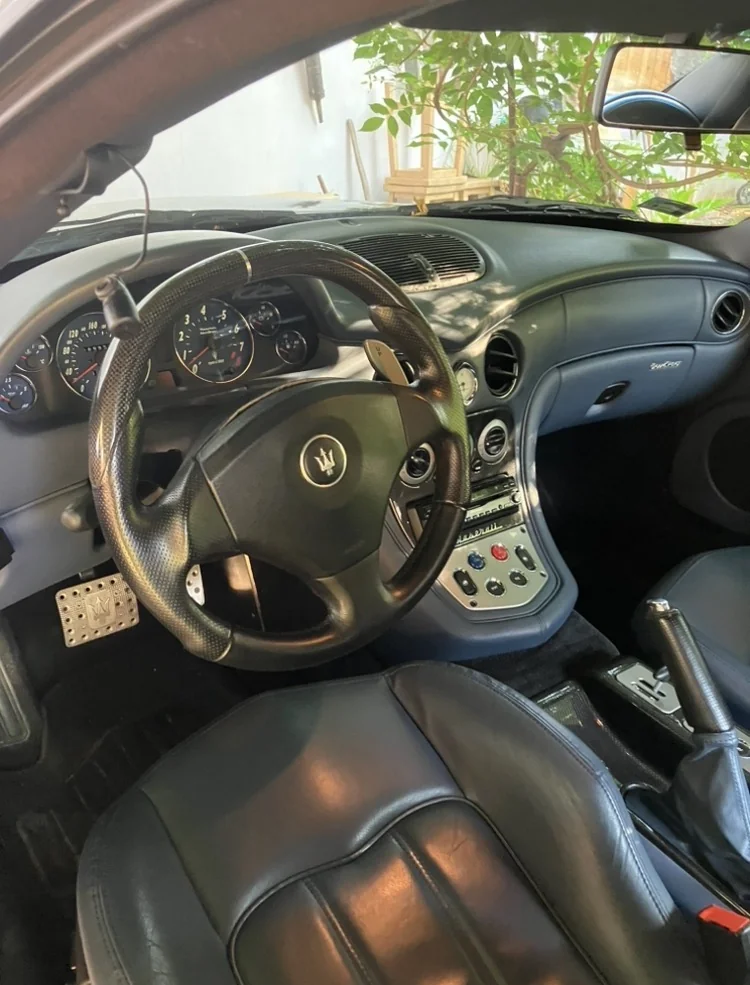
distinctive cabin combined leather with technical cloth, with the technical material offered in Black, Nickel Grey and Metal Blue on the seat centres, backs and dashboard fascia. The Spyder instead used an all-leather interior.
Wheels:
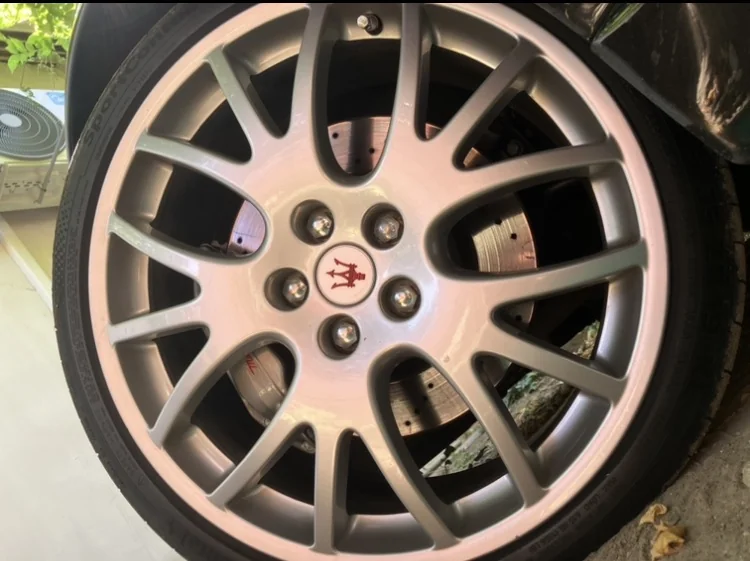
235/35 ZR19
265/30 ZR19
Designer: Guigaro
In/Famous for
Pros
Probably the best sounding car here together with the Rapide, and arguably the most dramatic
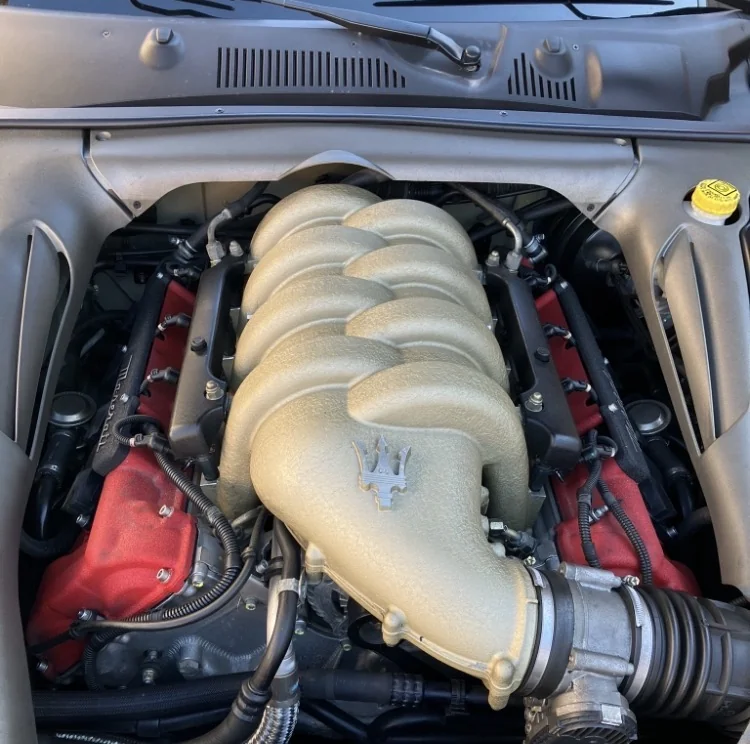
Naturally aspirated 4.2-litre dry-sump V8 producing around 400 PS
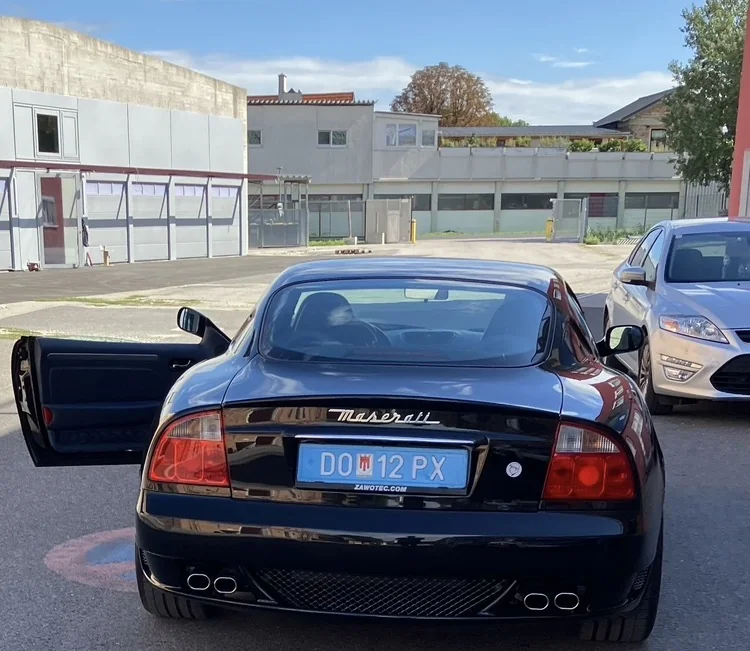
Special exhaust has electronically controlled bypass valves
In Sport mode the exhaust valves remain open, so you get considerably more V8 sound
Sport mode also makes Cambiocorsa shifts roughly 35% quicker
Fixed steering-column paddles mean you always know exactly where upshift and downshift are even when the wheel is turned
No conventional gear lever: Cambiocorsa is an electro-hydraulically operated manual with paddles and no clutch pedal
Analog Maserati clock sitting in the middle of a very early-2000s high-tech dashboard is a great combination of old and new
Considerably smaller and lighter-feeling than the Quattroporte or Bentley
The GranSport is noticeably tighter and more responsive than the regular Maserati Coupé while remaining usable on the road
Beautifully simple exterior by modern standards—no gigantic grille, fake vents or excessive aero
Very rare without looking like it is desperately trying to be rare
Interior combines leather, carbon-look/technical material and unusual colours in a way very specific to that era of Maserati
Ferrari-era Maserati character without Ferrari purchase prices
Conventional steel brakes rather than expensive carbon ceramics
Cons
Cambiocorsa is the big one. It is an automated manual, not a normal torque-converter automatic, so it can feel awkward or jerky if driven as though it were an automatic
Clutch wear is the most important thing to investigate
Slow manoeuvring and repeatedly allowing the gearbox to slip the clutch is exactly what these systems dislike
F1/Cambiocorsa hydraulic components such as the pump add another expensive system that does not exist on a conventional manual
Automatic mode is much less satisfying than manually using the paddles
Early-2000s radio/navigation controls are not exactly intuitive; contemporary reviews of this Maserati generation criticised their ergonomics
Some interior materials/buttons do not feel remotely as expensive as the leather around them
Light-coloured leather cabins can show wear and dirt quickly
Electrical equipment needs to be checked carefully when buying one
Rear-seat/luggage practicality is considerably less impressive than the 928 or Bentley
The gearbox means heavy city traffic is basically the worst possible environment for the car
Very sensitive to maintenance history; a cheap one with no clutch reading/history can become expensive extremely quickly
The GranSport is sporty, but contemporary road testers still found it more convincing as a fast road GT than as a genuinely sharp track car