Porsche
Latest pictures
View all 7 pictures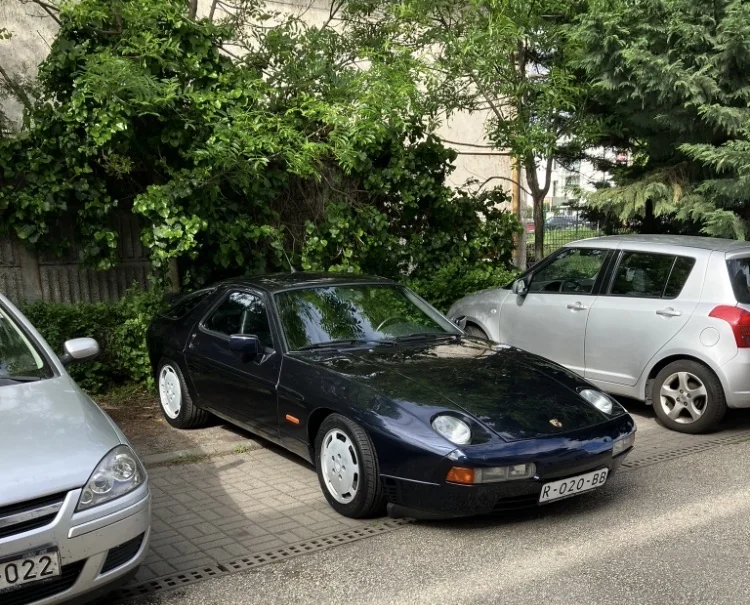
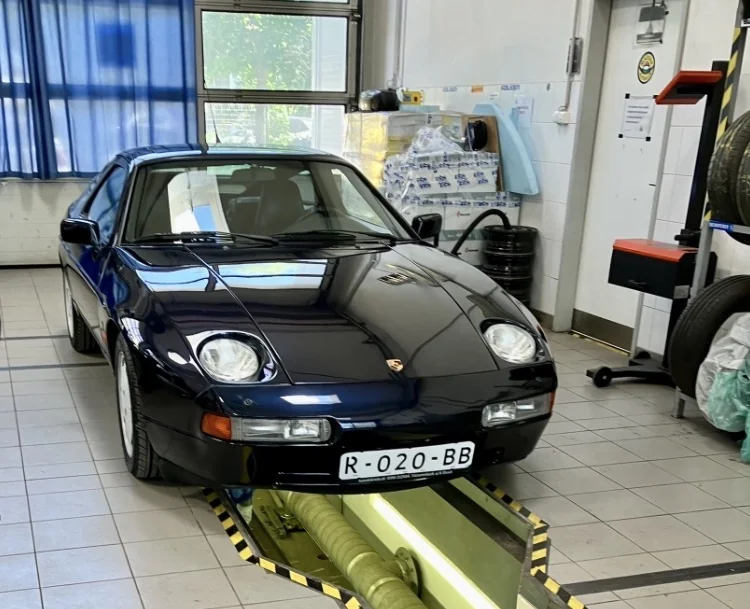
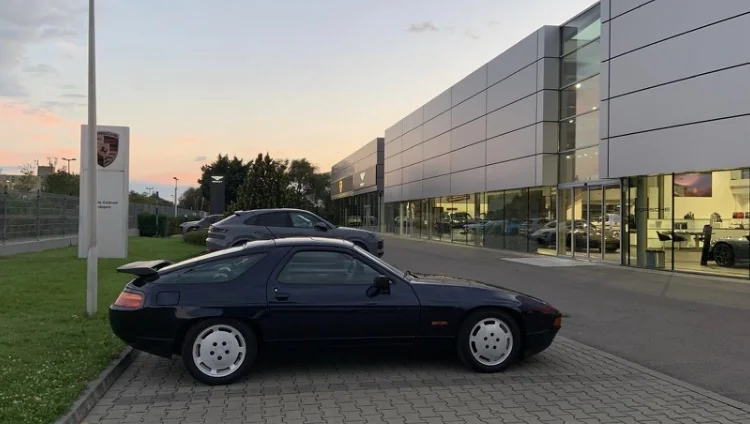
Specifications
Model details
Dimensions and weight
- length: 452
- width: 184
- height: 128
- wheelbase: 250
- weight: 1580 kg
Mechanics
- engine displacement: 4957 ccm V8 NA
- drivetrain: RWD
- torque: 430@3000
- power: 320@6000
- weight/power: 4.9
- 0-100: 5.9
- transmission: auto
- tank: 86
- consumption: 14
Production
- production period: 1987–1991
- unit produced: ~15,682 S4
Factory trims and generations
- generations: One 928 generation, 1977–95, extensively evolved 928 → S/S2 → S4 → GT → GTS
- trims: 1991: S4 and sportier manual GT
- exterior colors
- Standard: Grand Prix White, Black, Maritime Blue, India Red, Signal Green, Mint Green and Rubystone Red
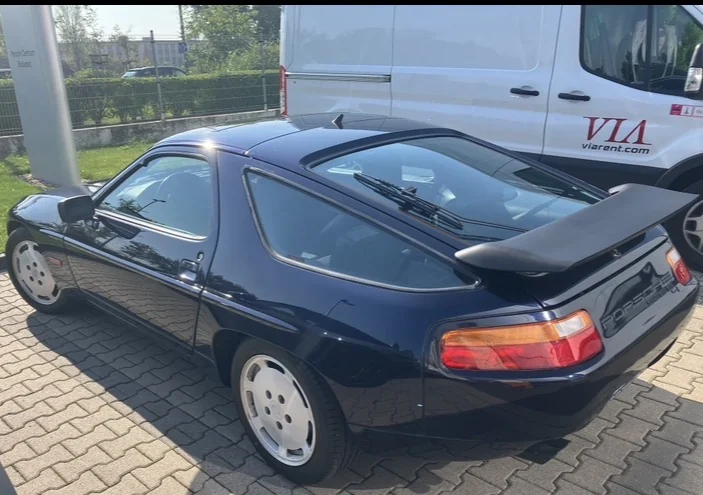
- Special colours: Polar Silver Metallic, Horizon Blue Metallic, Cobalt Blue Metallic, Oakgreen Metallic, Slate Grey Metallic, Coral Red Metallic, Black Pearl Effect, Midnight Blue Metallic/Pearl Effect, Amethyst Pearl Effect and Amazon Green Pearl Effect
- interior colors:
- 1991 parts information confirms, among others, Black, Classic Grey, Cobalt Blue, Magenta, Carrara Grey, Sherwood Green and Matador Red leather trim
In/Famous for
Pros
- Probably the car in the collection with the most interesting engineering quirks
- The pop-up headlights do not disappear completely like normal pop-ups—they rotate through approximately 180 degrees and remain visible lying back in the wings
- Because of that design, the headlight lenses can actually be washed while the lights are retracted
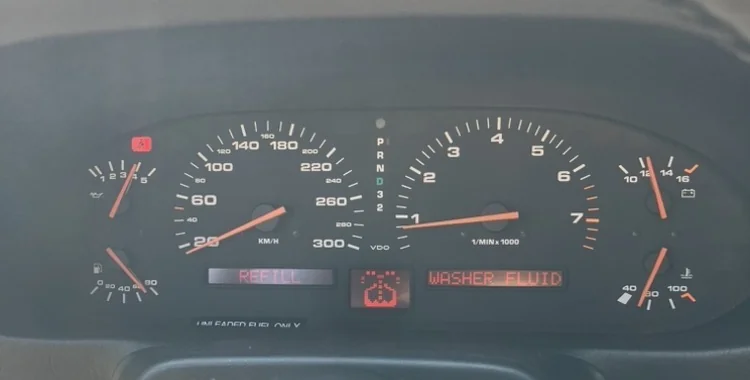
- The instrument cluster moves together with the adjustable steering column, so changing steering-wheel height does not hide the gauges
- Has Porsche's Weissach rear axle, effectively a passive rear-steering effect produced through suspension geometry to improve stability
- For 1990–91 it had the electronically controlled PSD locking differential, capable of varying its locking effect
- Had an unusually sophisticated tyre-pressure monitoring system decades before TPMS became commonplace
- Built-in information/diagnostic display was exceptionally advanced for an early-'90s car
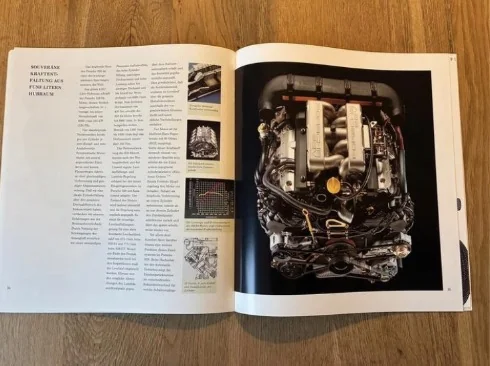
- Proper large naturally aspirated 5.0-litre V8 with no turbos or supercharger
- Very good high-speed GT seats; the 928 is famous for being comfortable over genuinely long journeys
- The rear seats fold flat, turning the glass-hatch rear end into a surprisingly useful luggage area
- Much more practical luggage space than a contemporary 911
- Actual rear seats rather than simply a parcel shelf—usable for children or very short adult journeys
- Very unusual combination of a front V8 and rear transaxle, which gives it a fundamentally different character from almost every other Porsche
Cons
- Timing-belt history is critical. A neglected belt can result in very expensive engine damage
- The timing-belt system is enormous and considerably more involved than a simple four-cylinder timing-belt job
- Automatic 928s have a known issue involving crankshaft/thrust-bearing loading associated with the torque-tube/flexplate arrangement; it is something a knowledgeable 928 specialist should check
- Power-steering systems can leak with age
- The huge amount of advanced electrical equipment means there are a lot of 35-year-old electrical systems that can require attention
- Parts can be expensive and you really want somebody who understands 928s specifically rather than simply a general Porsche mechanic. Owner communities repeatedly identify specialist knowledge as important
- Rear seats exist, but legroom is very limited because of the transmission tunnel and packaging
- The 1991 S4 is automatic-only; if you want the 5-speed manual in this model year, you need the 928 GT instead
- Four-speed automatic feels very old compared with the later six/eight-speed gearboxes in the other cars in the collection
- It is a physically big, complicated Porsche, not a lightweight sports car
Special Porsche quirk: the 928 might actually beat the Rapide for the number of genuinely unusual engineering ideas packed into one car.