The corresponding 10 leather colours were Avorio, Beige, Blu Medio, Blu Navy, Bordeaux, Cuoio, Cuoio Sella, Grigio Chiaro, Grigio Medio and Nero
designer: pininfarina
In/Famous for
Pros
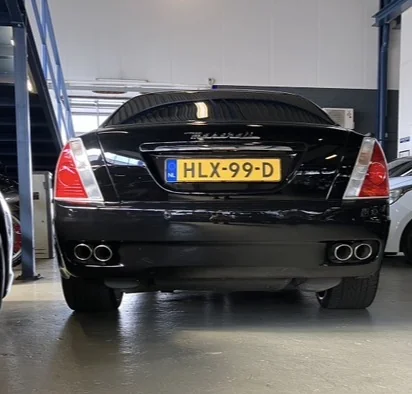
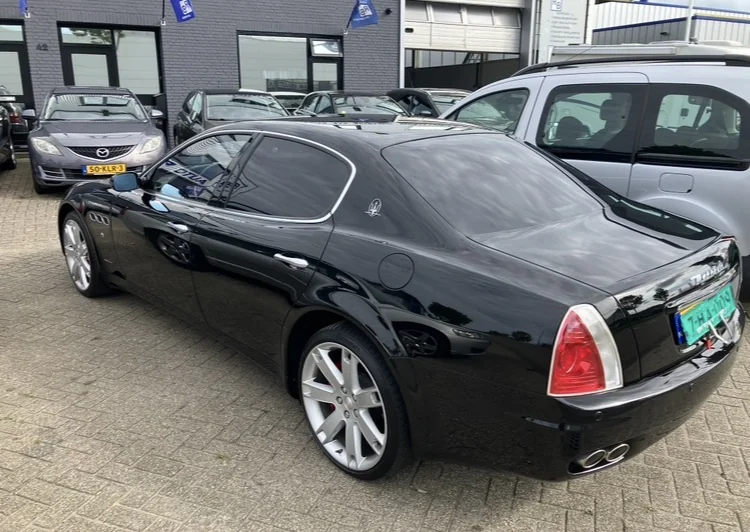
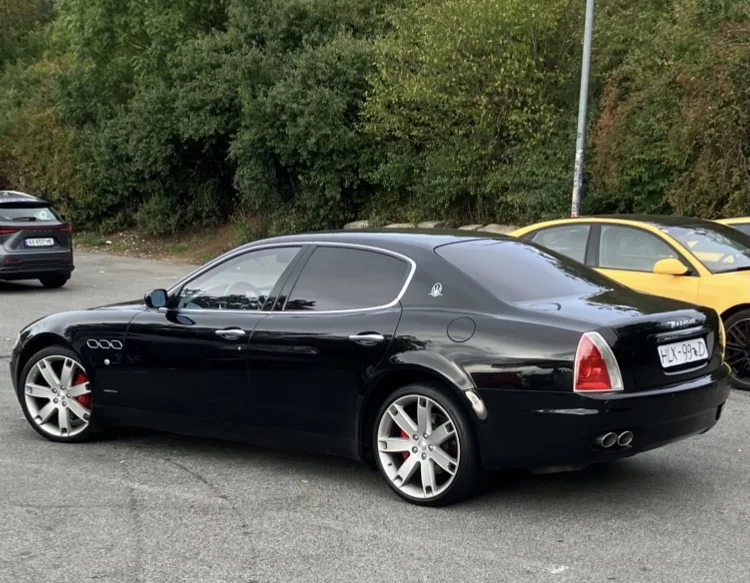
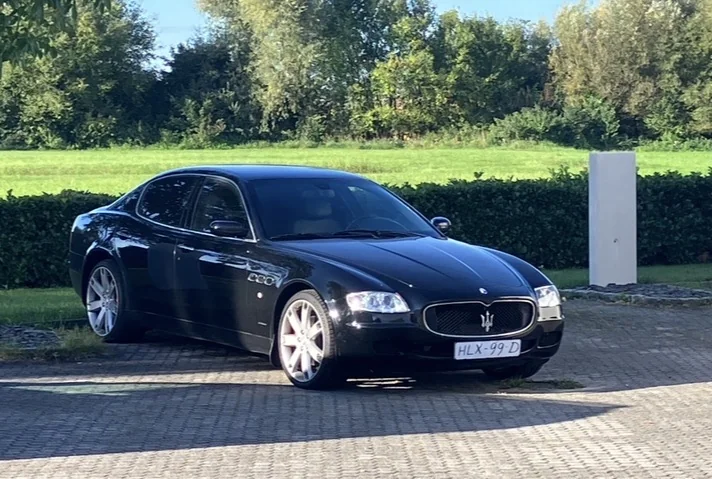
One of the best-looking four-door sedans of the period; Pininfarina managed to make a genuinely large saloon look unusually low and elegant
Naturally aspirated 4.2-litre V8 rather than a turbocharged engine
The DuoSelect transmission is mounted at the rear as part of the transaxle, rather than directly behind the engine
The engine and rear transaxle are connected by a rigid torque tube, which gives the car a much more exotic layout than a conventional luxury sedan
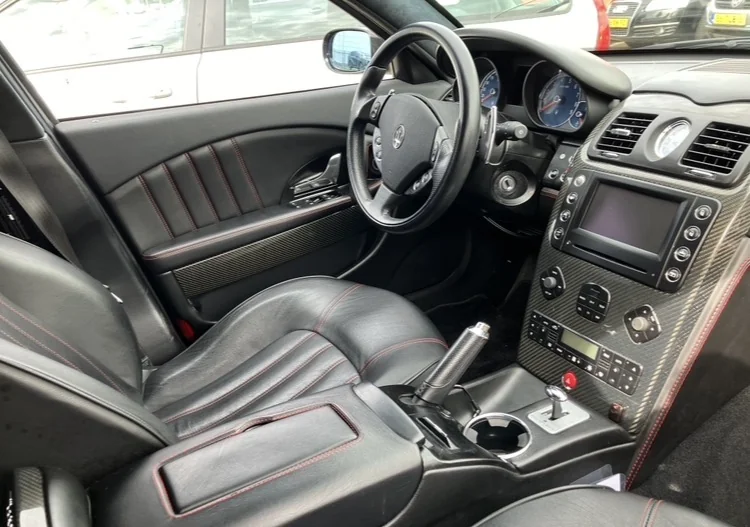
No normal gear lever on the centre console
Instead it has a little T-shaped selector for first/reverse while manoeuvring, while normal shifting is handled by steering-wheel paddles
That leaves the centre tunnel looking unusually clean for a 2006 luxury sedan
Excellent steering and chassis balance for something with four doors and limousine-like rear space
Skyhook adaptive suspension gives it a proper luxury/sport split
Beautiful analog Maserati clock in the centre of the dashboard
Frameless-looking Italian detailing, wood, leather and very little of the giant-screen design that dominates modern luxury cars
Sport GT gets a faster transmission calibration, firmer Skyhook programming, 20-inch wheels, drilled rotors and carbon-fibre interior trim
Sport GT also gets the nice little red accents in the Maserati Trident badges, referencing older racing Maseratis
Unlike most luxury sedans, it genuinely feels like the powertrain and chassis were designed by a sports-car company
The later ZF automatic is objectively easier to live with, but the DuoSelect is the more technically interesting and characterful version
Cons
Also the car in the collection with perhaps the single most important ownership warning: the DuoSelect clutch
City driving, crawling traffic, hill starts and slow reversing cause the system to slip the clutch and can dramatically accelerate wear
Specialist sources commonly put clutch life in the region of 20,000–30,000 miles, although driving style can move that figure significantly either way
Replacing the clutch can also involve the flywheel and associated hardware, so it is not a minor service item
Low-speed manoeuvring can feel awkward because mechanically it really is a manual clutch being operated by a computer
Reverse parking uphill is almost comically unfriendly to the clutch
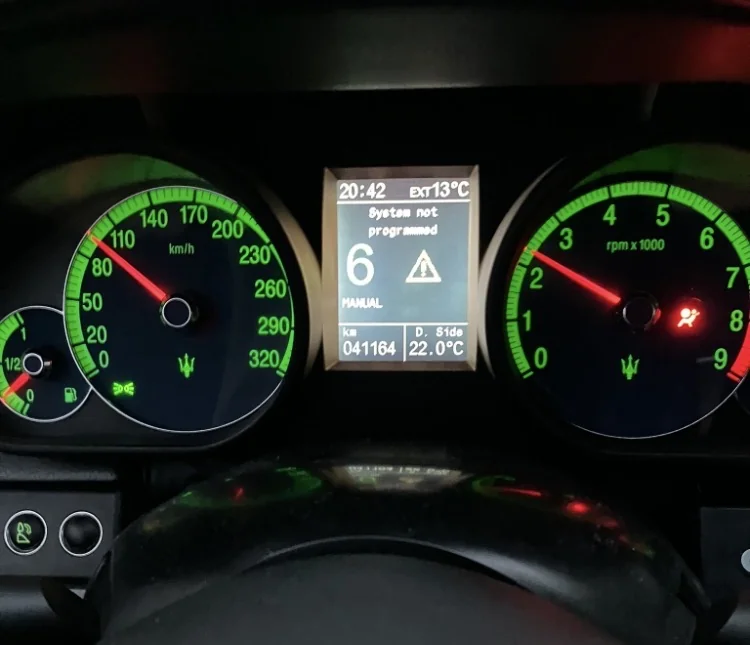
Automatic mode can make shifts feel slow/head-nodding compared with a conventional automatic; the gearbox works much better when treated like a manual and driven with the paddles
The infotainment/navigation system is very dated and the menu arrangement is fiddly. Later contemporary reviews still criticised the dash menu system
Boot is surprisingly small for such a large sedan
No spare wheel in many specifications
Suspension, electronics and luxury interior hardware mean there are many expensive age-related components beyond the drivetrain
It is a big car with Italian-supercar running costs hiding underneath a depreciated executive-saloon purchase price
Later ZF automatic Quattroportes are objectively easier daily drivers, which is why the DuoSelect cars tend to be less desirable to ordinary buyers
On the other hand, that same unpopular gearbox is part of what makes the 2003–06 cars so strange and interesting today